Apple vs Samsung: Ecosystem Comparison for 2026
The Apple vs Samsung decision isn't just about phones anymore. It's about which ecosystem — apps, accessories, services, and integration — fits your life better.
BestElectronicsReviewed.com is a participant in the Amazon Services LLC Associates Program. We may earn a commission from qualifying purchases made through links on this page, at no extra cost to you.
Choosing between Apple and Samsung in 2026 is less about individual devices and more about which ecosystem you want to live in. Both companies have built comprehensive product families where each device works best when surrounded by siblings from the same brand. Here is an honest comparison of both ecosystems across the categories that matter.
Smartphones: The Gateway Device
Your phone is the hub of either ecosystem. Both flagships are excellent — the iPhone 16 Pro and Galaxy S25 Ultra are within striking distance of each other on pure hardware capability.
Apple's iPhone advantage: seamless integration with Mac, iPad, Apple Watch, and AirPods. iMessage creates a social pressure toward iPhone among certain demographics. FaceTime quality and reliability remain superior to video calling on Android.
Samsung's Galaxy advantage: more hardware variety across price points, USB-C universality, better file management, and more customization options. Samsung DeX provides a desktop experience from your phone.
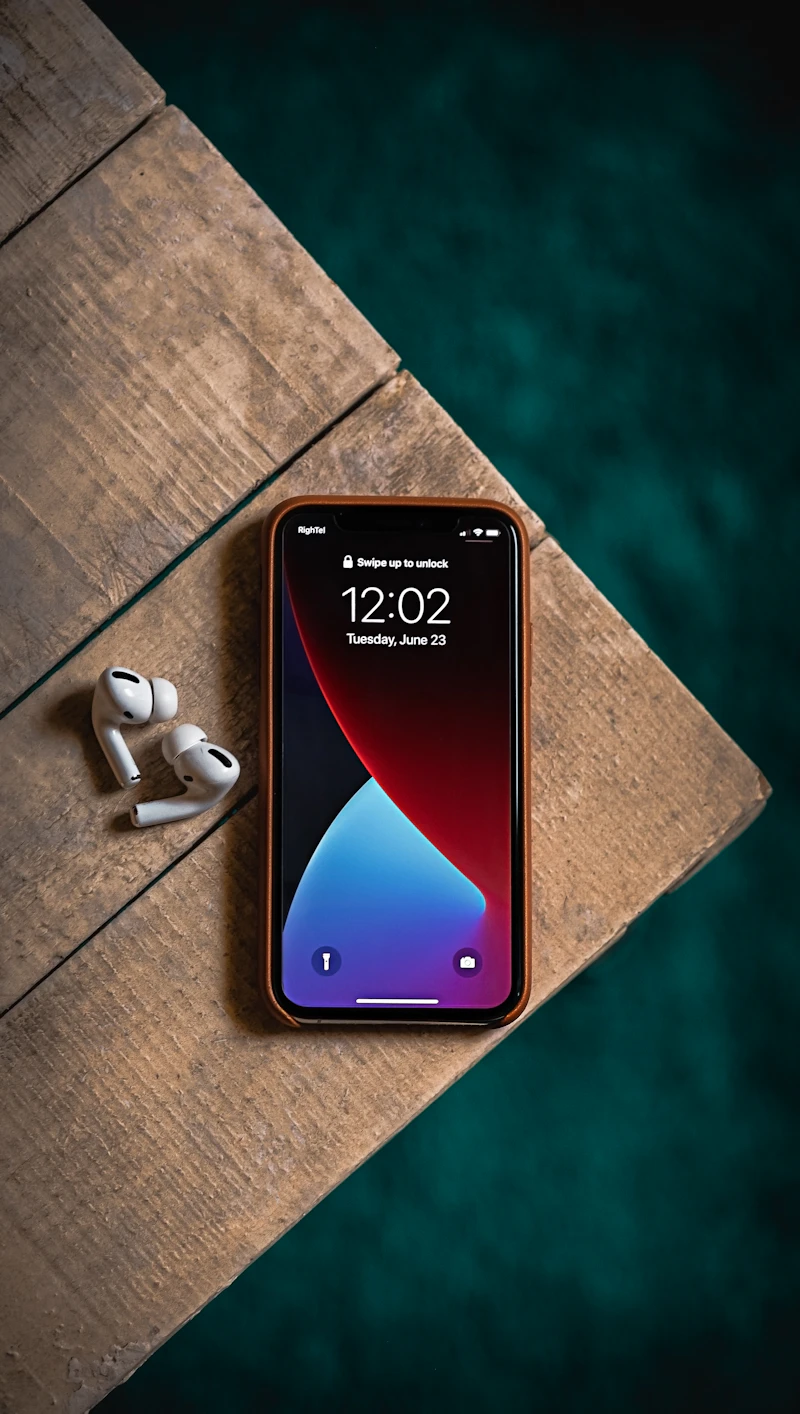
The Apple iPhone 16 represents the current iPhone ecosystem entry point, while Samsung offers everything from budget A-series phones to the premium S25 Ultra.
Wearables: Watch and Earbuds
Apple Watch dominates the smartwatch category in user satisfaction, app ecosystem, and health features. The integration with iPhone is seamless — calls, messages, notifications, and health data sync effortlessly.
Samsung's Galaxy Watch has improved dramatically and offers longer battery life than Apple Watch. However, the app ecosystem is smaller and the integration with Samsung phones, while good, is not as tight as Apple's implementation.
For earbuds, AirPods Pro 2 and Galaxy Buds3 Pro are both excellent. AirPods win on iPhone integration, while Galaxy Buds offer more customization on Samsung phones.
The Apple AirPods Pro 2 provide the noise cancellation, transparency mode, and seamless switching that makes them the standard for iPhone users.
Tablets: iPad vs Galaxy Tab
This is Apple's most decisive advantage. The iPad ecosystem — iPadOS, Apple Pencil, and the depth of tablet-optimized apps — is significantly stronger than Samsung's Galaxy Tab running Android. While Samsung hardware is competitive, the software experience and app optimization for large screens favor iPad.
The Apple iPad Air M2 offers the best balance of performance and value in the tablet category, while Samsung's Galaxy Tab S9 FE provides a solid Android alternative.
Laptops and Computers
Apple's M-series MacBooks have set the standard for laptop performance-per-watt and battery life. Samsung's laptop lineup is competitive but does not match Apple's silicon advantage.
However, Windows compatibility matters. If your work requires Windows-specific software, Samsung laptops (or any Windows laptop) are the practical choice regardless of ecosystem preference. MacOS excels in creative workflows, while Windows dominates in enterprise and gaming.
Smart Home: Different Platforms
Apple's HomeKit provides a secure, privacy-focused smart home platform with a smaller device selection. Samsung's SmartThings controls a broader range of devices with more flexibility.
For smart home enthusiasts who want maximum device compatibility, SmartThings and its Matter support provide a wider selection. For users who prioritize simplicity and privacy, HomeKit delivers a more curated but more reliable experience.
Cloud Services: iCloud vs Samsung Cloud
iCloud provides seamless photo, document, and device backup across Apple devices. Samsung Cloud handles similar functions within the Samsung ecosystem but relies more heavily on Google services for email, documents, and storage.
Google integration is both Samsung's strength and dependency — if you use Gmail, Google Drive, and Google Photos, the Samsung ecosystem layers on top of those services. Apple provides its own alternatives to all Google services.
Switching Costs
Once invested in an ecosystem, switching becomes expensive and inconvenient. App purchases do not transfer between iOS and Android. Accessories (chargers, cases, watch bands) are platform-specific. Cloud photo libraries require migration. Learning a new interface takes time.
The deeper you go into either ecosystem — more devices, more accessories, more cloud services — the higher the switching cost. This is by design, and it is worth considering before committing.
Who Should Choose Apple
Choose Apple if: you prioritize seamless device integration, you prefer a curated experience where things "just work," you value privacy-focused services, you want the strongest tablet experience, or your family and social circle are primarily iPhone users.
Who Should Choose Samsung
Choose Samsung if: you want more hardware variety at different price points, you prefer customization and flexibility, you use Google services heavily, you want USB-C universality, or you need Windows laptop integration.
The Honest Answer
Both ecosystems are excellent in 2026. The hardware differences between comparable Apple and Samsung products are smaller than ever. The real differentiator is the software and integration experience you prefer. Try before you commit — visit a store, use a friend's device, and choose based on what feels natural to you rather than brand loyalty or marketing.
As an Amazon Associate, BestElectronicsReviewed earns from qualifying purchases.
Recommended Products
Top picks from our buying guides
Apple iPad Air M2 11-inch
#1 in Best iPads of 2026: Which Apple Tablet is Right for You?
Check PriceRelated Articles
Updated: How to Organize Your Desk Setup for Maximum Productivity (Spring 2026)
Updated: How to Organize Your Desk Setup for Maximum Productivity (Spring 2026) — expert analysis and tested recommendations from BestElectronicsReviewed.
TipsEssential Tech for Architects and Designers
Architecture demands serious computing power for CAD and rendering, precise displays for color accuracy, and collaborative tools that bridge the studio and job site.
TipsMust-Have Tech for Interior Designers
Modern interior design blends creativity with technology. From color-accurate displays to 3D rendering tools, here's the tech that gives designers a competitive edge.