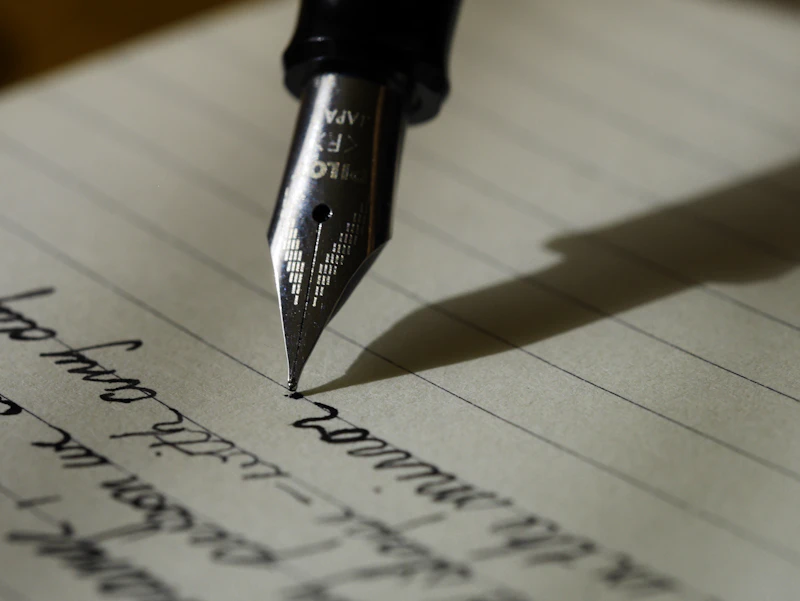
Essential Tech for Freelance Writers and Journalists
From distraction-free keyboards to reliable recording gear, here's the tech that helps freelance writers and journalists produce their best work.
BestElectronicsReviewed.com is a participant in the Amazon Services LLC Associates Program. We may earn a commission from qualifying purchases made through links on this page, at no extra cost to you.
Freelance writing and journalism require a deceptively simple tech stack, but the quality of each piece matters enormously. When your income depends on words produced per hour, every friction point in your setup costs you money. Here is the gear that working writers and journalists swear by.
The Keyboard: Your Primary Tool
If you write for a living, your keyboard is the single most important piece of technology you own. You touch it for six to ten hours a day, and the wrong keyboard leads to fatigue, wrist pain, and slower output.
The Logitech MX Keys S is the most popular keyboard among professional writers for good reason. The low-profile keys have just enough travel to feel satisfying without the noise of a mechanical board. The backlit keys adjust automatically to ambient light, it connects to three devices simultaneously, and the battery lasts up to five months on a single charge. For writers who prefer a mechanical feel, the Keychron K2 Pro with brown switches offers a tactile bump without the clicky noise that would get you kicked out of a coffee shop.
Laptop: Portability Meets Battery Life
Journalists work from coffee shops, airport lounges, courthouses, and press rooms. You need a laptop that is light enough to carry all day and has a battery that outlasts your assignments.
The Apple MacBook Air M3 offers 18 hours of real-world battery life, weighs 2.7 pounds, and handles everything a writer needs without breaking a sweat. If you need Windows for specific publication workflows, the Lenovo ThinkPad X1 Carbon is the journalist's go-to for its legendary keyboard and 14-hour battery.
See our full laptop recommendations →
Recording Gear: Capture Every Interview
Whether you conduct interviews in person, over the phone, or via video call, you need reliable recording equipment. Losing an interview is a nightmare no journalist should experience.
The Zoom H1essential is the pocket recorder that most freelance journalists carry. It weighs almost nothing, records in 32-bit float so your audio never clips even if a source suddenly shouts, and the battery lasts for 15 hours of continuous recording. For desk-based podcast interviews, the Elgato Wave:3 delivers broadcast-quality USB audio with a built-in digital mixer.
Noise-Cancelling Headphones: Focus on Demand
Writers need to enter deep focus states to produce quality work, and ambient noise is the enemy. Good noise-cancelling headphones are a productivity multiplier.
The Sony WH-1000XM5 remains the standard for freelance writers. The noise cancellation is class-leading, the comfort allows for six-plus-hour sessions, and the multipoint Bluetooth lets you switch between laptop and phone without re-pairing. When an editor calls while you are writing, you tap once to switch devices.
External Monitor: Expand Your Workspace
Research on one screen, writing on another. This simple setup dramatically increases writing speed because you stop wasting time switching between browser tabs and your document.
A 27-inch 4K monitor like the Dell S2722QC provides crisp text rendering that reduces eye strain during long sessions. The USB-C connectivity means a single cable handles display, power delivery, and data — you plug in your laptop and start working immediately.
Power and Connectivity: Stay Online Anywhere
Freelance journalists cannot afford to miss a deadline because their laptop died or their hotel Wi-Fi went down. Portable power and reliable connectivity are non-negotiable.
A 65W GaN charger that fits in your palm replaces the bulky laptop charger. For connectivity, a mobile hotspot or a phone plan with robust tethering ensures you always have backup internet. Carry a power bank rated for laptop charging — 20,000mAh minimum — for days when outlets are scarce.
Software Essentials
The tech stack extends to software. Most professional writers rely on Scrivener or Ulysses for long-form work, Google Docs for collaboration, Otter.ai for automatic interview transcription, and a password manager for the dozens of CMS logins that publications require. A VPN is essential for journalists working on sensitive stories or connecting to public Wi-Fi.
The Total Investment
A professional freelance writing setup runs $2,000 to $3,500. The laptop is the biggest expense. A quality keyboard, recorder, headphones, and monitor round out the kit. Most writers recoup the investment within a month or two of consistent work, and the productivity gains from proper equipment compound over years.
The priority order: laptop first, keyboard second, recorder third if you do interviews, headphones fourth. Everything else is an optimization.
As an Amazon Associate, BestElectronicsReviewed earns from qualifying purchases.
Recommended Products
Top picks from our buying guides
Related Articles
Updated: How to Organize Your Desk Setup for Maximum Productivity (Spring 2026)
Updated: How to Organize Your Desk Setup for Maximum Productivity (Spring 2026) — expert analysis and tested recommendations from BestElectronicsReviewed.
TipsEssential Tech for Architects and Designers
Architecture demands serious computing power for CAD and rendering, precise displays for color accuracy, and collaborative tools that bridge the studio and job site.
TipsMust-Have Tech for Interior Designers
Modern interior design blends creativity with technology. From color-accurate displays to 3D rendering tools, here's the tech that gives designers a competitive edge.