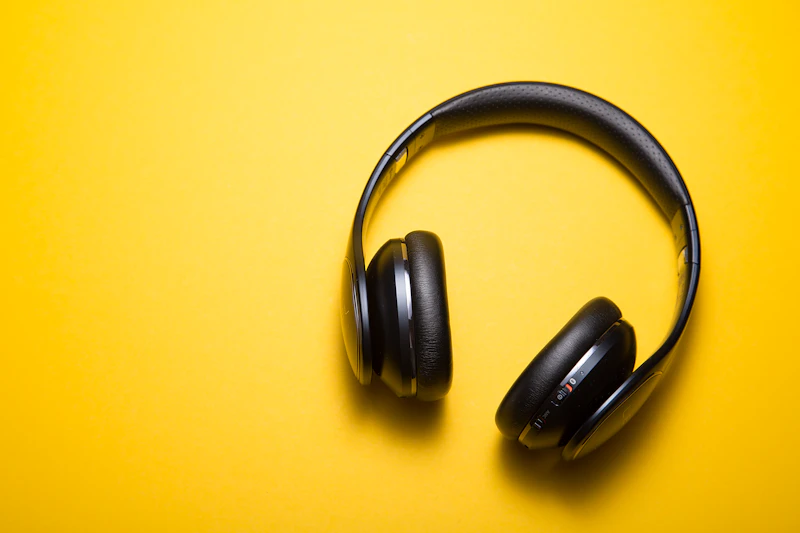
How to Choose Between Noise-Cancelling and Open-Back Headphones
ANC headphones block noise. Open-backs sound better. Here's which type is right for your listening habits, workspace, and music preferences.
BestElectronicsReviewed.com is a participant in the Amazon Services LLC Associates Program. We may earn a commission from qualifying purchases made through links on this page, at no extra cost to you.
These two headphone categories couldn't be more different in design philosophy, yet they're both premium products competing for the same $200-400 budget. Understanding the tradeoffs will save you from buying the wrong type and being disappointed.
What Noise-Cancelling Headphones Do
Active Noise Cancellation (ANC) uses microphones on the outside of the headphone cups to pick up ambient noise, then generates an inverse sound wave that cancels it out. The result: the drone of an airplane engine, the hum of an office, and the rumble of a train virtually disappear.
Best for:
- Commuting and travel
- Open offices and co-working spaces
- Studying in noisy environments
- Working from home with loud family members
- Airplane flights
The sound tradeoff: ANC processing slightly colors the audio. Budget ANC headphones sound noticeably worse with ANC on. Premium ANC headphones minimize this, but even the best models don't match the transparency of good open-backs.
Our pick: The Sony WH-1000XM5 ($298) is the current benchmark. Eight microphones, Auto NC Optimizer that adjusts to your environment, 30-hour battery life, and multipoint connection to two devices simultaneously.
For a budget option, the Sony WH-1000XM4 ($198) is the previous generation and still excellent — often $100 less than the XM5 with 90% of the performance.
What Open-Back Headphones Do
Open-back headphones have perforated or grilled ear cups that let air (and sound) pass through freely. This eliminates the pressure buildup and resonance that closed-back headphones create, resulting in a wider, more natural soundstage — the sense of space and positioning in music.
Best for:
- Critical music listening at home
- Audio mixing and mastering
- Gaming (positional audio for footsteps)
- Long listening sessions (less ear fatigue)
- Anyone who values sound quality above all else
The isolation tradeoff: Open-backs provide zero noise isolation in either direction. Everyone around you can hear your music, and you can hear everything around you. They are exclusively indoor, quiet-environment headphones.
Our pick: The Sennheiser HD 560S ($129) is the entry point to serious open-back sound. Wide soundstage, accurate frequency response, and comfortable enough for 4+ hour listening sessions.
For a step up, the beyerdynamic DT 900 Pro X ($229) delivers studio-quality sound with a slightly warmer tone that makes everything from jazz to electronic music sound fantastic.
The Decision Framework
Where Will You Listen?
On the go (commute, travel, gym): ANC, always. Open-backs are useless in noisy environments and everyone around you will hear your music.
At home in a quiet room: Open-back. You'll hear details in your music you never noticed before. The soundstage makes everything feel more spacious and live.
At home in a shared space: ANC if others are present. Open-backs if you're alone.
In an office: ANC. Open-backs in an office are antisocial — your coworkers will hear everything.
What Do You Listen To?
Orchestral, jazz, acoustic, live recordings: Open-backs excel here. The natural soundstage makes instruments feel positioned in a three-dimensional space around you.
Electronic, hip-hop, pop, heavy bass music: ANC headphones often have better bass extension and impact because the sealed ear cups contain the low frequencies. Open-backs can sound thin in the bass department.
Podcasts and calls: ANC. The noise cancellation makes voices clearer in noisy environments, and the microphones on ANC headphones are typically better for calls.
Gaming: Open-backs for single-player and casual gaming (the wide soundstage is incredible for immersive games). ANC headphones with a good microphone for competitive online gaming where communication matters.
How Long Are Your Sessions?
Open-back headphones are generally more comfortable for long sessions because the open design prevents heat buildup. After 2-3 hours with closed-back ANC headphones, your ears get warm and sweaty. Open-backs feel cool and airy even after 6+ hours.
Can You Have Both?
The ideal setup for a music enthusiast: ANC headphones for commuting and travel, open-backs for home listening. If you can only buy one pair, choose based on where you'll use them most.
If you spend 60% or more of your listening time in noisy environments, get ANC. If most of your listening happens at home in a quiet room, get open-backs.
Read our full headphone guide →
Read our full noise-cancelling guide →
As an Amazon Associate, BestElectronicsReviewed earns from qualifying purchases. All products are independently selected by our editorial team.
Recommended Products
Top picks from our buying guides
Sony WH-1000XM5
#1 in Best Affordable Noise Cancelling Headphones for Your Setup 2026
Check PriceRelated Articles
Updated: How to Organize Your Desk Setup for Maximum Productivity (Spring 2026)
Updated: How to Organize Your Desk Setup for Maximum Productivity (Spring 2026) — expert analysis and tested recommendations from BestElectronicsReviewed.
TipsEssential Tech for Architects and Designers
Architecture demands serious computing power for CAD and rendering, precise displays for color accuracy, and collaborative tools that bridge the studio and job site.
TipsMust-Have Tech for Interior Designers
Modern interior design blends creativity with technology. From color-accurate displays to 3D rendering tools, here's the tech that gives designers a competitive edge.